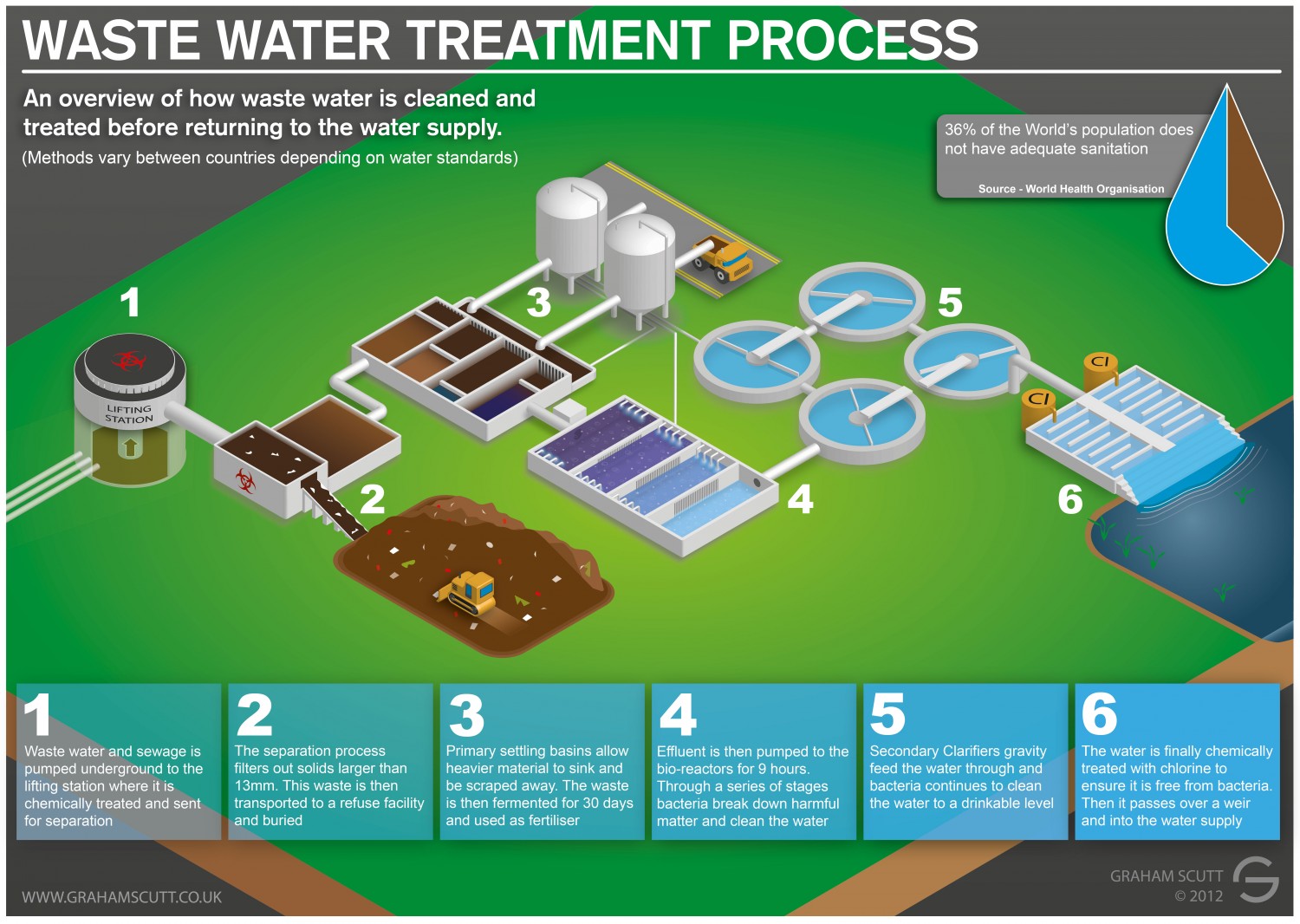
This course provides learners with the knowledge and practical skills required to treat water for domestic, industrial, and municipal use. It focuses on the processes involved in making water safe for human consumption and environmental protection.
Learners are introduced to the sources of water, common contaminants, and various treatment methods used to remove physical, chemical, and biological impurities.
Key Areas Covered:
-
Introduction to Water Quality
-
Sources of water (surface and groundwater)
-
Water quality standards
-
Common pollutants and contaminants
-
-
Water Treatment Processes
-
Screening and sedimentation
-
Coagulation and flocculation
-
Filtration methods
-
Disinfection (chlorination, UV treatment)
-
-
Water Testing and Analysis
-
pH testing
-
Turbidity measurement
-
Chemical analysis
-
Microbial testing
-
-
Water Treatment Plant Operations
-
Equipment handling and maintenance
-
Safety procedures
-
Monitoring and record keeping
-
-
Environmental and Public Health Considerations
-
Wastewater management
-
Environmental protection laws
-
Safe disposal of treatment by-products
-
Course Objectives:
By the end of the course, learners should be able to:
-
Identify water contaminants and their health effects.
-
Apply appropriate treatment methods.
-
Operate basic water treatment equipment.
-
Conduct simple water quality tests.
-
Maintain safety and environmental standards.
Target Group:
-
TVET trainees in plumbing, environmental science, or water technology
-
Water plant operators
-
Environmental health officers
-
Technicians in water service companies
I